

Difference Between Virus and Worm: Potential Cyber Threats
Virus and worms are two commonly used terms used by us to describe cyber threats. Many people use t…

Difference Between Email and Gmail: How Do They Differ?
The primary difference between Email and Gmail is that Email is a method of exchanging messages usi…

What is a Pen Drive? A Portable Secondary Storage Device
Pen drives are the most common external or secondary storage devices. People often use them to stor…
Locality of Reference: Efficient Memory Access and Caching
The locality of reference is an important principle useful in the design and architecture of comput…

8 Types of Scanners: Make Your Physical Documents Digital
A scanner is an input device that scans an image, text, and any other document and converts it into…
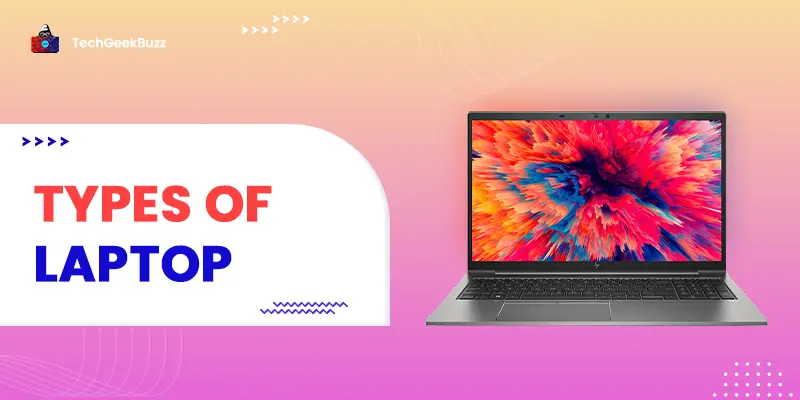
Types of Laptop: Discover the World of Portable Computers
Laptops have become essential to our life due to their functionality, portability, and design. Stud…
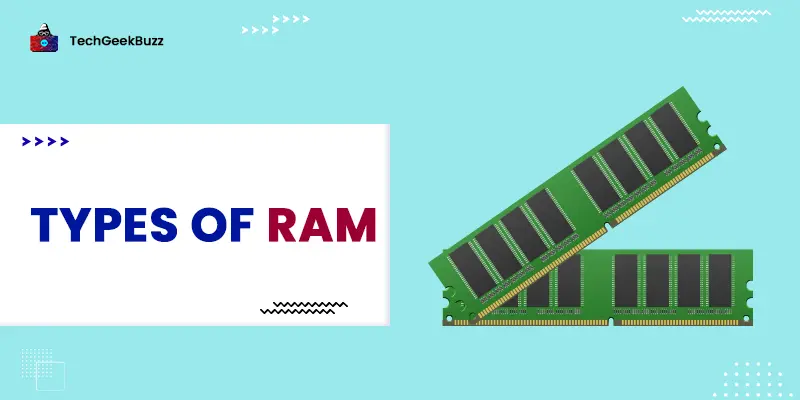
Types of RAM: Static RAM (DRAM) & Dynamic RAM (DRAM)
RAM, or Random Access Memory, is the primary memory of a computer. The processor, while e…

Pointing Device: Navigate Computing Devices Efficiently
In thе world of modern computing, pointing dеvicеs play a crucial role in facilitating usеr intеrac…

I/O Module: An Interface Between the CPU and I/O Devices
The I/O module, or Input/Output module, is one of the major components of a computer. It acts as an…
Language Processor: Converting Source Code to Machine Code
A language processor is a special software program that converts the code written in any high-level…
Types of ROM [Mask ROM, PROM, EPROM, and EEPROM]
A computer has different types of storage mediums categorized into two major types – pri…
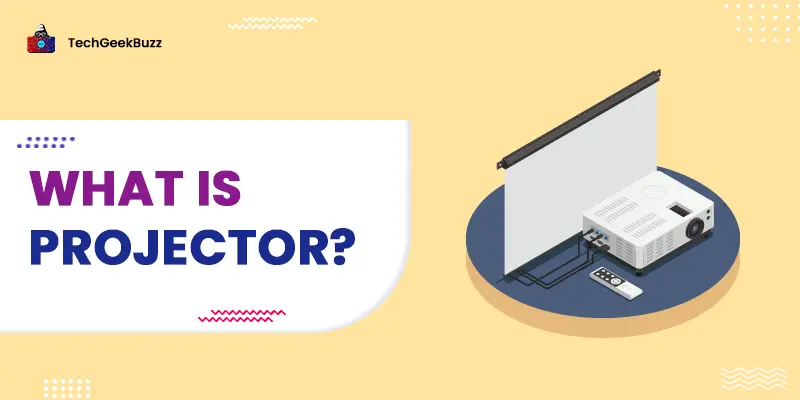
What is Projector? Projecting Visuals on Larger Screens
You might have come across the term projector in your school days. Your teacher might have used a p…