

Classification of Computer: Explore Computer Types
Computеrs have become an integral part of modern society, rеvolutionizing how we live, work, and in…

Non-Volatile Memory: A Persistent Data Storage Medium
Memory is a computer’s indispensable component that stores and manages data. It is an electro…
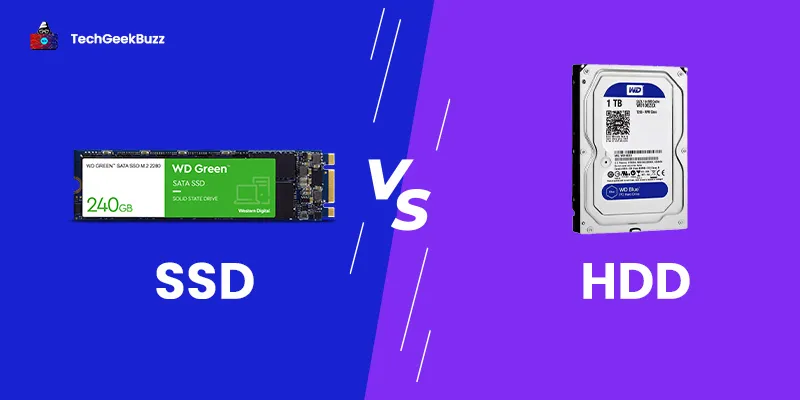
Difference Between SSD and HDD: Secondary Storage Mediums
Hard disk drives (HDDs) and solid-state drives (SSDs) are the two major non-volatile storage medium…
Unveiling the Difference Between Data and Information
In today’s digital era, data, and information have become the lifeblood of businesses, helpin…
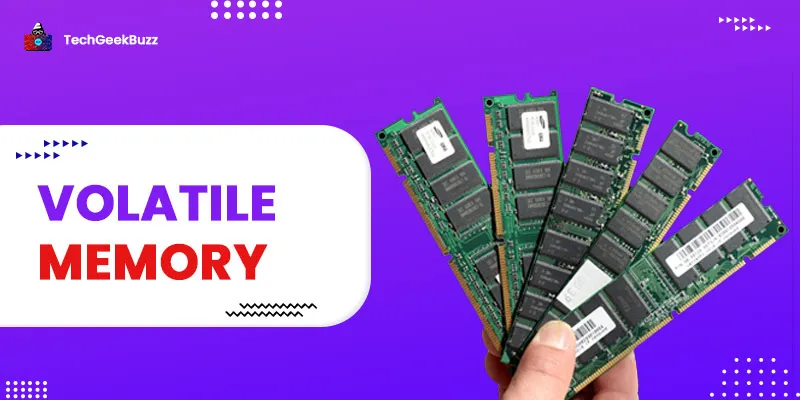
Volatile Memory: The Temporary Storage of Your Computer
Memory is an inseparable and essential aspect of a computer. It plays a crucial role in storing dat…
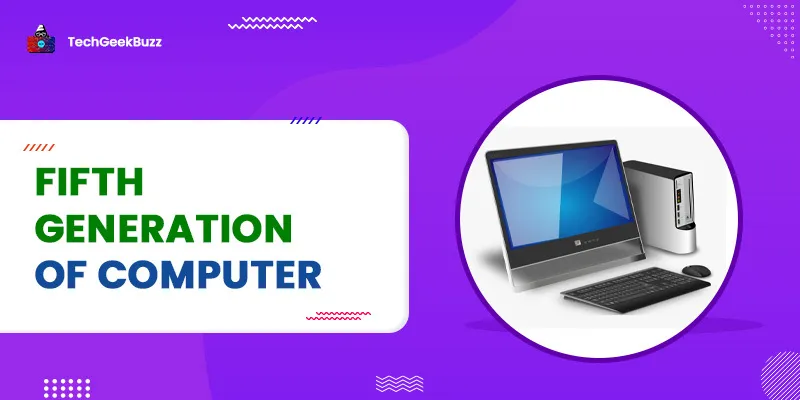
Fifth Generation of Computer: Artificial Intelligence & ULSI
Technological advancements and developments have led to different generations of computers. Ea…

Streamline Your Computing Experience with 5 Typеs of Icons
While using a computer, we use different applications, files, folders, and shortcuts. We identify t…
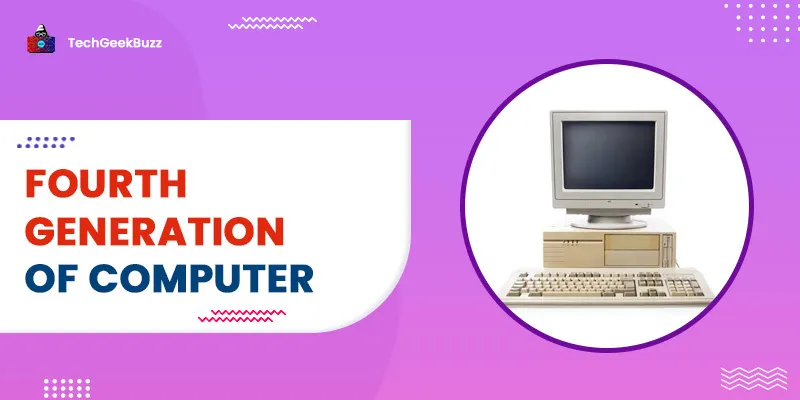
Fourth Generation of Computers: Features & Examples
The fourth generation of computers is commonly associated with the introduction of microprocessors …
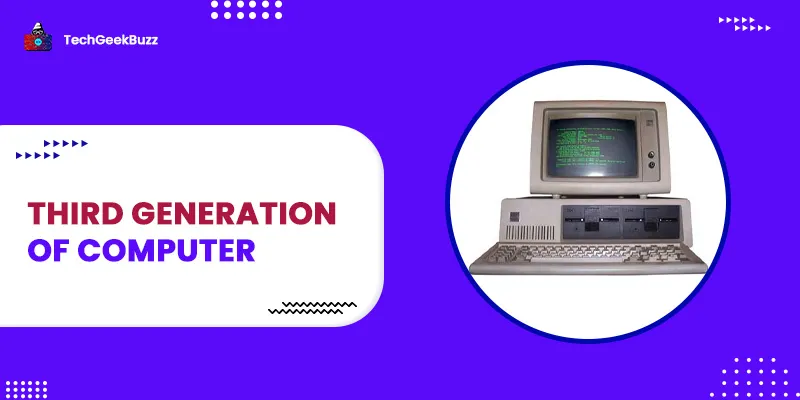
Third Generation of Computers: Features, Examples & History
The third generation of computers is commonly associated with the period from about 1964 to 1971, w…
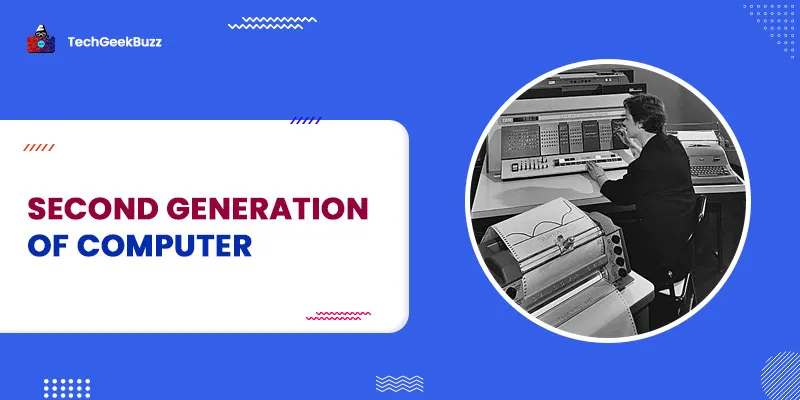
Second Generation of Computer: Transistor Computers
The first generation of computers was a pioneering era for computer technology and serves as the fo…
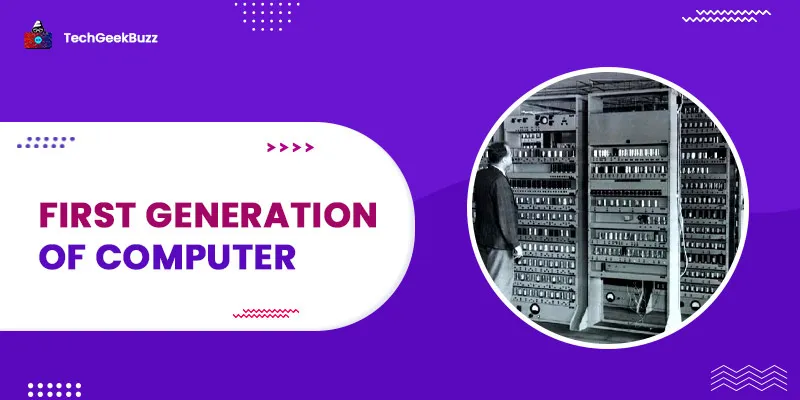
First Generation of Computer: Vacuum Tube Computers
Computer systems we use today are of the fifth generation powered by artificial intelligence&n…
Arithmetic Logic Unit (ALU): How Computers Perform Calculations
A CPU, or Central Processing Unit, is the cornerstone of a computer responsible for executing instr…