
What if one photo could hum? What if it could breathe, sway, and fill the air with tone and feeling — like a wordless soundtrack? That's the subtle sorcery of mood reels, those brief, cinematic snippets that hang somewhere between dream and memory.
With Pippit, creators are now able to animate those still emotions into motion experiences with an AI video generator that feels almost poetic in its precision. Whether you are a musician, animating an album cover into a looping video, a poet, animating your verses into drifts in the sky, or a lifestyle brand, animating slow, visual whispers for your audience — Pippit makes it easy, quick, and intuitively creative.
Mood reels are not about telling stories; they are about feeling them. They are where sound, movement, and imagery come together to create something meditational, a visual sigh you want to last much longer, even after it fades.
From stillness to sensation: how emotion hides inside an image
Each photograph bears more than meets the eye. An impenetrably foggy forest may contain sadness; a sunlit, cracked wall may resonate with resilience. These feelings are already present — caught in immobility, awaiting motion to set them free.
When artists employ image to video software, they're not merely animating imagery; they're bringing atmosphere to life. A lean of light, a creeping camera pan, or a soft blur will turn a two-dimensional frame into a kinetic memory. Musicians transform these ambient images into intros or background loops; poets turn them into moody teasers for spoken word work; brands employ them as affective teasers that make viewers feel before they even think.
The secret? You don't require film crews or editing programs to do so. With the proper toolset, an individual shot can hold the essence of an entire film.

Where music meets movement: the art of visual rhythm
Mood reels excel where sound and vision meet. A photo of raindrops on a pane might seem mundane — until someone layers soft piano keys over it and slows down the pan-and-scan. It springs to life.
For artists, these micro-movies get the tone set before a song is even sung. The beat of the song gets replicated in the movement of the visuals — a gliding slow for acoustic melodies, a throbbing flash for electronic beats, or an otherworldly float for ambient soundscapes.
Poets have discovered a new visual lexicon here, as well. By overlaying verse on movement, they ask people not only to read their lines but feel the rhythm. And for brands, mood reels provide a refined means to capture lifestyle — a union of music, color, and movement that defines aesthetic identity with understated precision.
Storytelling without stories: how atmosphere replaces narrative
Old-fashioned storytelling has structure — start, middle, and finish. Mood reels, though, blow that structure to smithereens. They're loops, not lines. Their strength is in repetition, rhythm, and resonance, not plot.
This is how they are so versatile. A lifestyle brand may employ a 10-second reel of sunshine traveling over a product to evoke longing and serenity. A wellness influencer may bring animation to a static ocean picture into slow, contemplative waves. And an artist can marry brushstrokes to sound to expose the silence in between. You can achieve all that easily with Pippit's AI avatar feature.
The secret is restraint. The finest mood reels don't yell or tell — they imply, suggest, and invite.
How to create emotional mood reels using Pippit
Now that you know what mood reels can do, let's get to creating them. With Pippit's smart interface, you can transform stills into emotion-filled videos in minutes — no editing knowledge needed. Here's how to do it step by step.
Step 1: Add your pictures
Sign up or sign in on Pippit and go to the "Video generator" tab and look for the option to upload media. Tap on "Add media" to upload pictures from your device or cloud storage, or paste the URL of a product in the provided field. Then tap "Generate" to enable the AI to automatically detect pictures and generate your video.

Step 2: Modify and generate
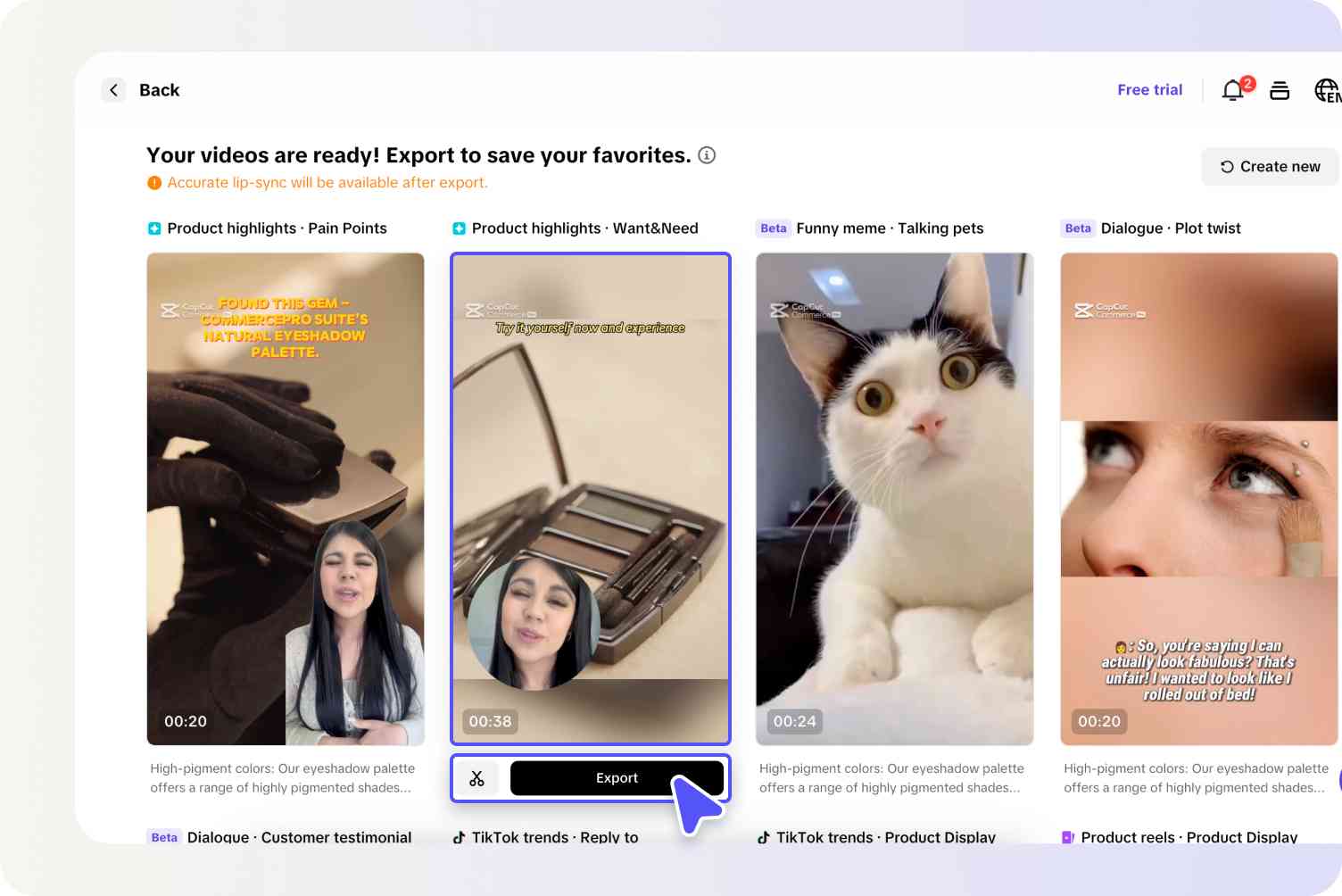
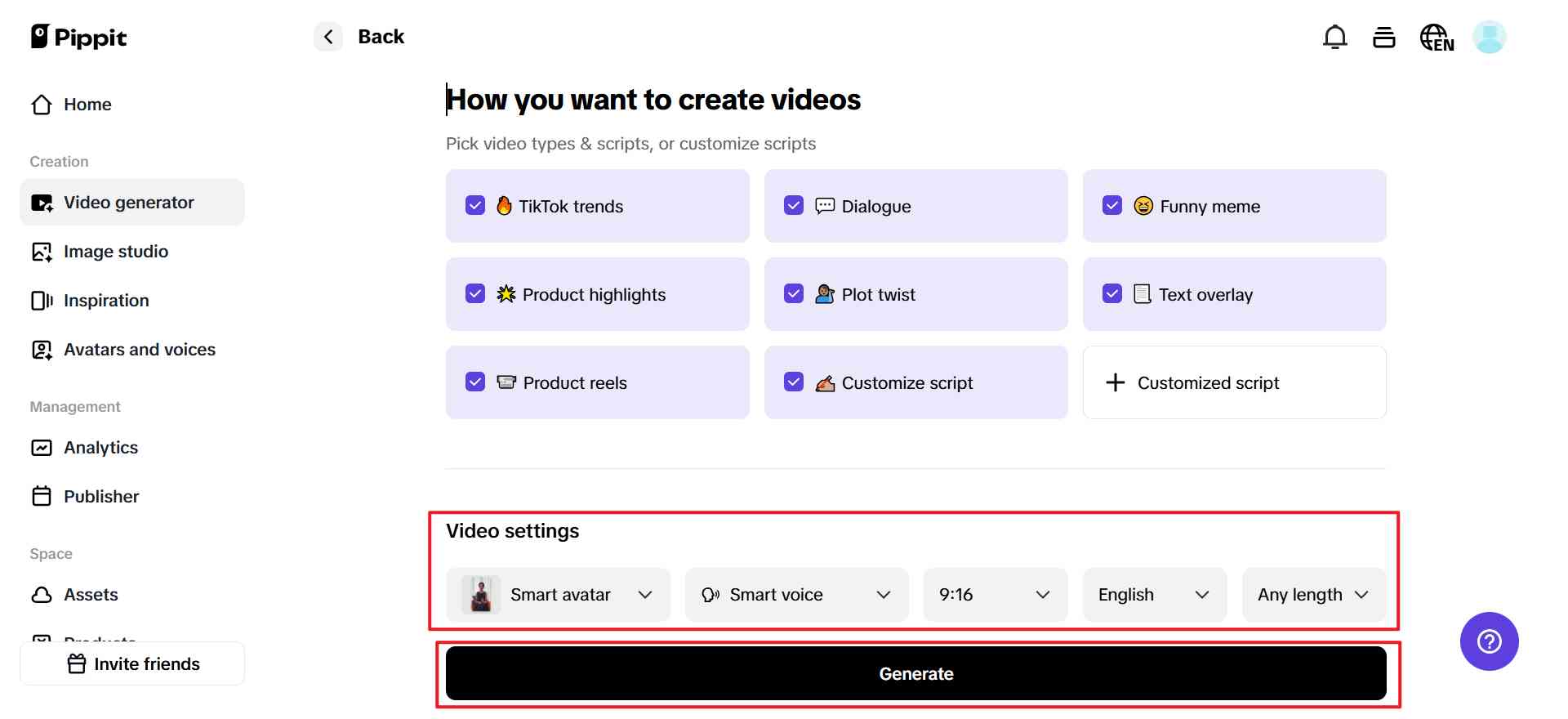
Once you upload your media or link, Pippit creates a preview with auto-selected clips and the most relevant product details. Review and modify visuals, highlights, and descriptions. Next, choose your preferred type of video and set the critical settings such as AI avatar, voice, aspect ratio, language, and duration. Finally, click on the "Generate" button to complete your customized video.
Step 3: Save the video
Check your created video for quality. Use "Quick edit" (underneath the video) to re-align script, captioning style, avatar, and voice. Experiment with different video styles to fit your liking. To make more accurate edits, click "Edit more" for professional editing.

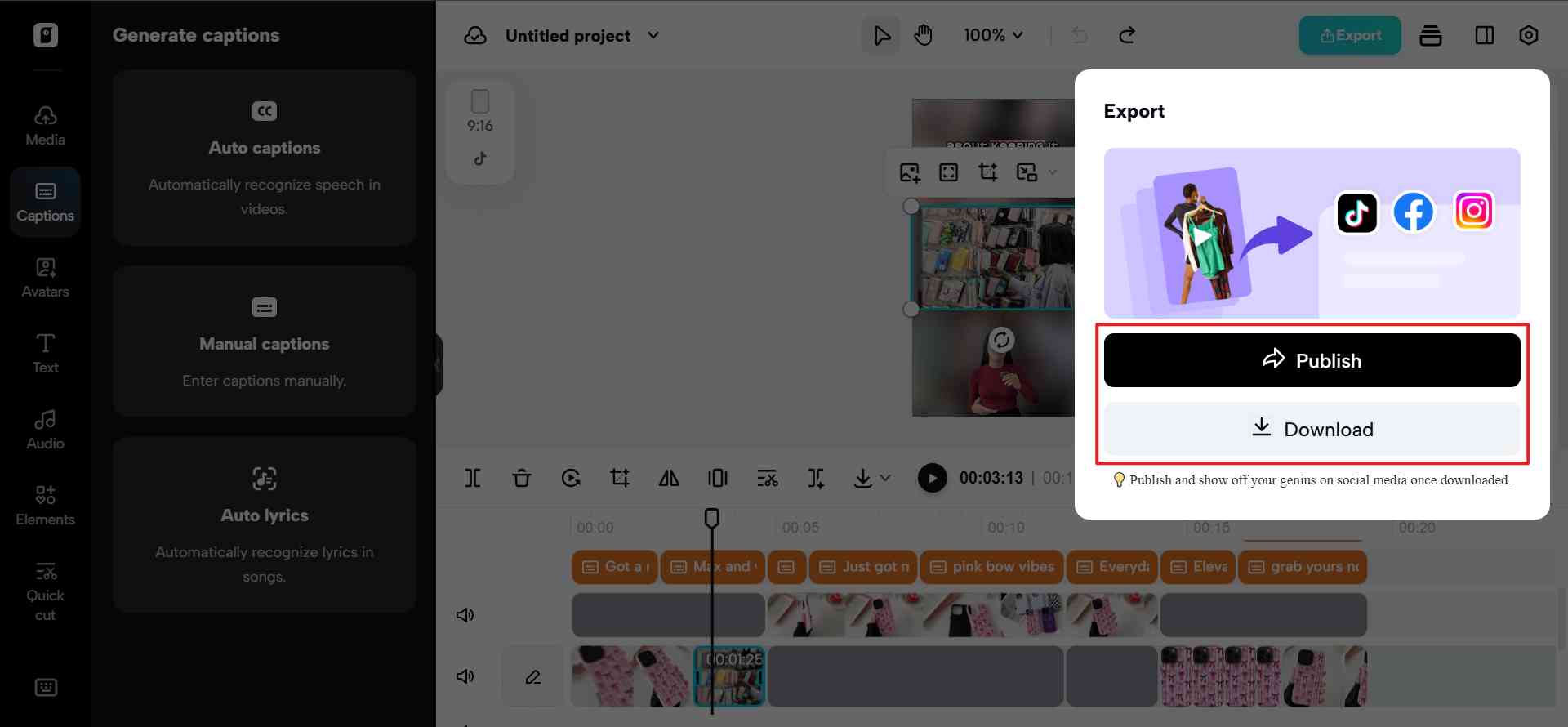
Once happy, click "Export" to produce your high-resolution final photo videos, ready for posting on any site or ad campaigns.
The quiet power of motion in brand and art identity
In a world where content vies for every second of engagement, mood reels create a space of stillness within movement. They pause the viewer, providing not information but immersion. This narrative form of understatement provides artists and brands with a means to express mood and character without dialogue.
Consider them emotional mirrors — refracting how a viewer feels, not what they need to know. They turn into emotional brand tools for fashion and lifestyle firms, setting a tone that aligns with the virtues of serenity, inventiveness, or curiosity. They become distinctive, evocative, and irrevocable visual trademarks for lone artists.
Beyond marketing: the use of mood reels as reflection and ritual
Mood reels are not merely marketing tools; they can be acts of meditative creation. Some artists use them as virtual diaries — mini emotional postcards capturing the mood of a day. Others use them as a part of introspective projects: combining textures, sounds, and images to construct sensory poetry.
Even teachers and counselors are starting to notice possibilities here — applying motion imagery to investigate emotion, mindfulness, and creativity in workshops or group therapy. The gentleness of slow visual rhythm assists individuals in reconnecting with inner quiet in a dinning world.
Sound, silence, and movement: designing emotional flow
To create an actually evocative mood reel, be mindful of sound-silence balance. The strongest shots tend to have slow, measured pacing and little sound design — a heartbeat, a light breeze, a single chord.
This technique provides breathing space for your visuals. It enables the viewer to sense rather than merely look. Slow camera pans, depth-of-field changes, and softened lighting can all be utilized to achieve cinematic depth even from a single shot.
Here's the trick: movement doesn't necessarily have to be convoluted to be significant. One ripple on an otherwise still lake can convey more meaning than a dozen cuts.
Conclusion: where quiet turns to narrative
One frame can contain boundless feeling — it only requires movement, so it can breathe. That's what mood reels are: the soft release of imagination, the beat between quiet and noise.
With Pippit, turning your stills into feeling motion art is effortless and infinitely tweakable. You can play with tone, rhythm, and atmosphere until your visuals look just like your music, your brand, or your verse.
Infuse your art with its pulse. Make your stills stir, vibrate, and whisper. Start creating cinematic feelings today with Pippit, the AI video creator that brings your visuals to life in motion.