
Artificial intelligence has moved from pilot programs to enterprise-scale investment. Boardrooms are no longer debating whether AI matters. The focus has shifted to where capital produces a measurable return. Instead of speculative experimentation, industries are concentrating on practical AI applications that improve accuracy, reduce cost, and strengthen competitive positioning.
Healthcare and Life Sciences
Healthcare remains one of the largest recipients of AI investment. Hospitals, research institutions, and pharmaceutical companies generate enormous volumes of structured and unstructured data. Imaging systems, electronic health records, genomic databases, and clinical trials provide rich inputs for machine learning systems. Diagnostic imaging tools represent a major funding area. AI models assist radiologists by identifying anomalies in scans, flagging potential areas of concern, and prioritizing urgent cases. These tools do not replace clinicians, but they improve efficiency and consistency.
Drug discovery is another significant investment category. Algorithms analyze molecular structures, biological pathways, and clinical datasets to identify promising compounds. This reduces early-stage trial costs and shortens research cycles.
Healthcare systems also invest in predictive analytics for operations. Admission forecasting, staffing optimization, and supply chain planning benefit from data-driven modeling. Remote monitoring platforms apply AI to patient data streams, identifying early indicators of deterioration and supporting preventive intervention strategies.
Financial Services and Insurance
Financial institutions were early adopters of advanced analytics, and AI spending continues to expand. Fraud detection systems rely on pattern recognition models that analyze transactions in real time. Anomalies trigger alerts within seconds, limiting financial exposure. Credit risk modeling has also evolved. Traditional scoring systems are supplemented by machine learning models that incorporate broader behavioral and economic indicators. These systems improve loan portfolio performance and capital allocation decisions.
Asset management firms invest in predictive market analytics. Algorithms evaluate market signals, historical performance, and volatility indicators to inform portfolio construction. Insurance carriers deploy AI to assess claims patterns and identify irregularities.
Manufacturing and Industrial Operations
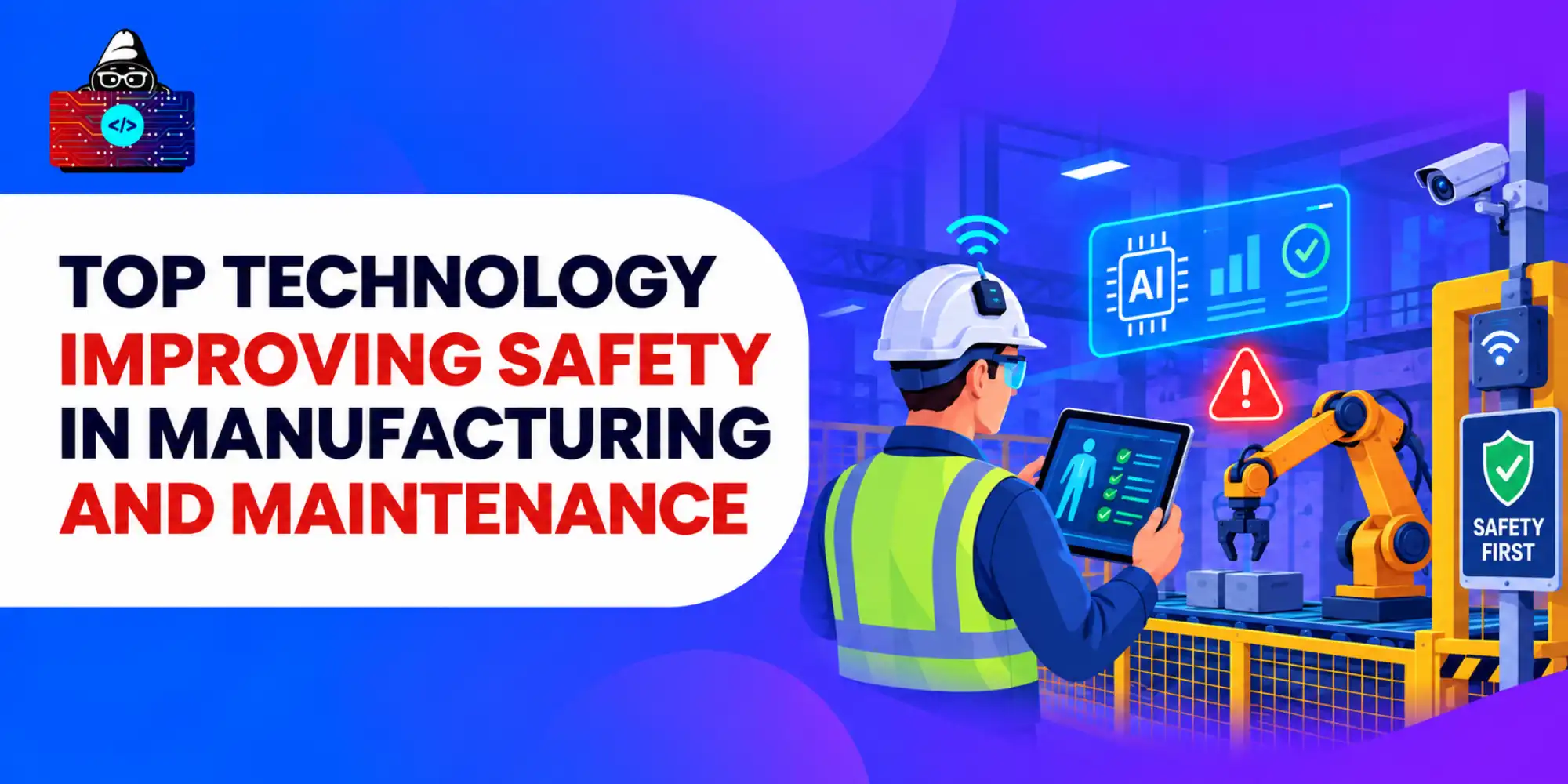
Industrial sectors are directing substantial resources toward predictive maintenance and automation. Equipment downtime carries a measurable financial cost, which makes failure prediction a high-value target for AI deployment. Sensors embedded in machinery generate performance data continuously. Machine learning models analyze vibration patterns, temperature fluctuations, and performance metrics to predict breakdowns before they occur. Maintenance schedules shift from reactive to predictive, improving productivity.
Computer vision systems perform quality control at scale. Cameras paired with AI models detect defects during production. These systems increase inspection consistency while maintaining production speed.
Supply chain optimization remains another major investment area. AI models forecast demand, manage inventory placement, and adjust procurement schedules based on real-time data. Logistics platforms optimize delivery routes and warehouse operations to reduce cost and delay.
Retail and Consumer Technology
Retailers and digital platforms invest heavily in personalization and demand forecasting. AI analyzes customer purchase history, browsing behavior, and engagement metrics to recommend products and adjust marketing strategies. Dynamic pricing systems adjust prices based on inventory levels, competitor movement, and purchasing patterns. These systems protect margins while remaining responsive to demand shifts.
Customer support automation has expanded significantly. Conversational agents supported by generative AI manage routine inquiries, freeing human teams to focus on complex cases. Recommendation engines influence content presentation, advertising placement, and product visibility across digital channels.
Energy, Utilities, and Infrastructure
Energy providers deploy AI to manage grid stability and forecast consumption patterns. Smart grid technologies balance supply and demand while integrating renewable energy sources more effectively. Predictive maintenance systems monitor turbines, pipelines, and transmission infrastructure. Early detection of performance irregularities prevents outages and costly emergency repairs.
Urban infrastructure projects also incorporate AI-driven analytics. Traffic flow optimization systems process real-time data to reduce congestion. Public safety agencies use predictive modeling to allocate resources and improve emergency response times.
Workforce, HR, and Enterprise Operations
Human resources departments increasingly apply AI to recruitment screening and workforce analytics. Resume parsing systems identify qualified candidates efficiently. Predictive analytics highlight turnover risk and skill gaps, supporting workforce planning.
Learning platforms recommend training based on role requirements and performance metrics. Enterprise operations teams use AI for financial forecasting, procurement optimization, and risk assessment.
Investment Themes and Strategic Direction
Across industries, several consistent themes emerge. First, AI investment favors operational efficiency and risk mitigation. Second, sectors with structured, high-volume data show the fastest adoption. Third, measurable return on investment drives sustained funding. Organizations are moving from pilot experimentation to embedded integration. AI systems are increasingly woven into core processes rather than layered onto existing workflows. Governance frameworks, compliance oversight, and ethical guidelines now accompany major deployments.
Capital allocation decisions reflect a maturing market. Instead of speculative spending, leaders prioritize scalable solutions that align with defined business objectives. Investment strategies emphasize measurable productivity gains, cost containment, and data-driven decision support.
As AI becomes increasingly important to business strategy, leaders need a clear understanding of how these technologies can create value across different functions. An ai for leaders program can help business professionals develop the knowledge needed to evaluate AI opportunities, guide adoption, and make informed decisions about AI-driven transformation.
Artificial intelligence is no longer positioned as a future concept. Industries are investing where the financial case is clear and the operational impact is immediate. For more information, check out the infographic below.