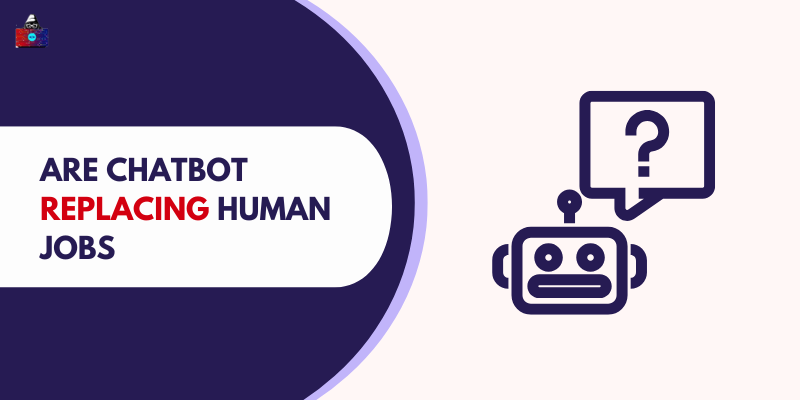

The argument over machines taking jobs from people’s hands has gotten way more intense lately. Since today’s bots run on smart tech like language decoding and pattern spotting, they manage chores humans used to do.
Still, reality’s trickier than it seems. Chatbots are shifting how we work, yet rarely as folks assume. Instead of wiping out positions entirely, they tweak job duties, handle boring tasks automatically, or open up new paths.
This guide splits up the rumors from what's real about AI taking jobs, so you can see how chatbots actually affect workers.
What Are AI Chatbots?
AI chatbots act like people when talking. These tools reply to queries while handling jobs automatically. Instead, they create text or help users buy things online. Also offering assistance whenever customers need it.
Modern chatbots use:
- Artificial Intelligence (AI)
- Natural Language Processing (NLP)
- Machine Learning (ML)
- Deep learning models
- Large Language Models (LLMs) like GPT-style systems
Chatbots don't just do text; they work through voice, too. They show up on websites, pop into apps, and hang out on social platforms. Some even talk through smart gadgets at home.
Why Do People Believe AI Chatbots Will Replace Jobs?
This worry comes from a few things:
- AI answers right away, humans don't. It's faster because no delays from thinking or waiting.
- Chatbots cost less to keep running.
- They don’t require time off, paychecks, or perks.
- They’re able to manage several chats simultaneously, while juggling others without slowing down.
- Companies use AI to automate customer service roles.
Though there's a bit of truth here, it's not the full picture. So let’s dig into what’s really going wrong.
Myth 1: AI Chatbots Can Fully Replace Human Workers
Truth is, machines handle chores, yet they won’t replace full roles.
Most jobs need you to understand feelings, make choices, think up new ideas, or handle tricky situations, stuff bots just can't do well yet.
AI can replace:
- Repetitive queries
- Basic customer support
- Booking, scheduling, FAQs
But NOT:
- Complex support issues
- Human negotiation
- Emotional conversation
- Critical decision-making
People still matter when it comes to tough jobs.
Myth 2: AI Chatbots Can Work Without Human Help
Folks help AI learn, keep an eye on it, or make upgrades now and then.
Chatbots require:
- Learning from business info
- Guidance to prevent mistakes
- New info now and then to keep things right
- People check things when they’re delicate
Every working chatbot hides the people who built it
- AI trainers
- UX designers
- Data scientists
- Engineers
- Customer support specialists
AI doesn't work alone; people must guide it all along.
Myth 3: AI Reduces the Need for Human Interaction
Truth is, people tend to choose real agents when things get tricky or personal, because they just relate better that way.
Research says more than 7 out of 10 people would rather chat with a real person when getting help
- Billing disputes
- Complaints
- Emergencies
- Healthcare concerns
- Legal or financial support
Chatbots speed things up, yet people add real meaning.
Myth 4: AI Will Eliminate Most Jobs in the Future
Truth is, AI shifts how jobs work instead of wiping them out.
Long ago, fresh tech often brought extra work instead of taking it away, think computers or robots doing tasks.
AI's cutting out dull jobs, just not whole professions.
Most jobs today shift into:
- AI-assisted positions
- Hybrid AI-human collaboration roles
- New tech-based professions
Rather than wiping out jobs, AI shifts how work gets done, changing roles instead of removing them; reshaping tasks while keeping people involved.
What Jobs Are Actually Impacted by AI Chatbots?
1. Jobs Partially Automated
AI handles routine jobs that follow set rules, like
- Basic customer support
- Appointment scheduling
- FAQ answering
- Order tracking
- Ticket creation
- Data entry
Those jobs don't disappear, yet people end up with less to do.
2. Jobs Not Easily Replaceable
These require skills AI doesn’t have:
- Emotional intelligence
- Creativity
- Strategy & planning
- Critical thinking
- Real-world experience
- Complex decision-making
Examples:
- Managers
- Teachers
- Doctors & nurses
- Lawyers
- Psychologists
- Sales executives
- Creative professionals
- Skilled technicians
Some jobs might work with AI, yet won't get swapped out by it.
3. New Jobs Created by AI
A machine that learns can lead to jobs like these:
- AI trainers
- Prompt engineers
- AI ethicists
- Machine learning specialists
- Data analysts
- Automation supervisors
- Chatbot conversation designers
- AI content editors
Most of these roles weren't around a decade ago.
Ai isn't only about losing work, it's also bringing new roles. While some positions fade, others pop up in their place.
Benefits of AI Chatbots for Businesses
1. Reduced Cost
-
AI reduces the need for hiring extra support staff.
Businesses save money on salaries, training, and infrastructure. - It also lowers operational costs while maintaining service quality.
2. Faster Response Times
- AI responds instantly to customer questions without delay.
- Users do not have to wait in long queues for answers.
- This improves satisfaction and keeps customers engaged.
3. 24/7 Availability
- AI works all day and night without breaks or holidays.
- Customers can get support anytime they need help.
- This ensures continuous service and better reliability.
4. Handling Large Query Volumes
- AI can handle many customer queries at the same time.
- It does not slow down even during busy hours.
- This helps businesses manage high demand efficiently.
5. Improved Customer Experience
- AI provides quick, accurate, and personalized responses.
- Customers experience less waiting and better service quality.
- This increases trust, satisfaction, and overall user experience.
Limitations of AI Chatbots
1. Lack of Emotional Understanding
- AI cannot truly understand human emotions or feelings.
- It responds based on data, not emotional connection.
- This can make interactions feel less personal and caring.
2. Errors in Complex Conversations
- AI struggles with complicated or unclear questions.
- It may give incorrect or irrelevant answers sometimes.
- This can confuse and reduce trust in support.
3. No Human Judgment
- AI cannot think like humans or use common sense.
- It lacks intuition, experience, and real-world understanding.
- This limits its ability to handle sensitive situations.
4. Requires Continuous Training
- AI needs regular updates to stay accurate and useful.
- It must learn from new data and changing situations.
- Without training, its performance can decrease over time.
Human and AI Collaboration: The Real Future
The days ahead are about working together instead of racing against each other.
Humans and AI together can:
- Get replies to customers done quicker
- Reduce repetitive workload
- Improve productivity
- Help teams working both online and from home
- Boost innovation
Examples of AI-human teamwork:
1. Customer Service: AI deals with common questions, while people tackle tougher issues.
2. Healthcare: Bots help check symptoms, and doctors handle the actual diagnosis.
3. Finance: Chatbots handle questions about your account; on the flip side, people guide you on investing.
AI works alongside you, just like a teammate, not a substitute.
Ethical and Social Considerations
1. Fair Use of AI in the Workplace
- Companies should use AI in a responsible and ethical way.
- They must protect employee rights and avoid misuse.
- This ensures safety, fairness, and trust in the workplace.
2. Job Displacement Concerns
- AI can replace jobs that involve repetitive tasks.
- Some workers may lose their roles due to automation.
- This creates uncertainty and employment concerns.
3. Need for Reskilling
- Workers must learn new skills to work with AI tools.
- Digital literacy and technical knowledge are important.
- This helps employees stay relevant and competitive.
4. Transparency
- Companies should inform users when AI is being used.
- People should know if they are talking to a machine.
This builds trust and prevents confusion.
How Employees Can Adapt to AI Change
To keep up with tomorrow, folks ought to build abilities that machines just can’t copy, think creatively, empathize, or quick thinking when things go sideways
- Critical thinking
- Communication & empathy
- Creativity
- AI tool usage
- Data literacy
- Problem-solving
- Leadership & strategy
Fitting in with AI helps you keep up at work, and so does learning fast.
Conclusion
AI chatbots are changing jobs, yet they aren't fully taking over from people. They handle boring stuff automatically while boosting help for customers, which speeds up how companies run without slowing things down.
The future isn't about machines against people; instead, it's folks using smart tools side by side.
Even though machines take over certain chores, fresh roles and abilities keep popping up. The true potential? Figuring out ways to work with AI responsibly, smartly, without messing things up.
AI won't wipe out human work; it kicks off a smarter way we team up at jobs.
People are also reading:
Frequently Asked Questions
1. Could robots take over human roles in help desks?
No, these handle simple questions automatically, yet real people still step in when things get tricky, or feelings run high.
2. What fields feel the biggest impact from AI chatbots?
E-commerce plus telecom firms, also banks, alongside travel services, with SaaS businesses included.
3. What talents must people have to keep up during the age of artificial intelligence?
Critical thinking, but also original ideas, mix with clear thinking, knowing how AI works, or working through tough spots.
4. Do companies prefer AI over humans?
Businesses like mixing AI for simple jobs while people take care of tougher ones.
5. Will robots take our work, or give us new ways to earn a living instead?
Yep. Over time, fresh technology, like AI, tends to open up more work options down the road.